
Cut Waste With Smart Thermostats
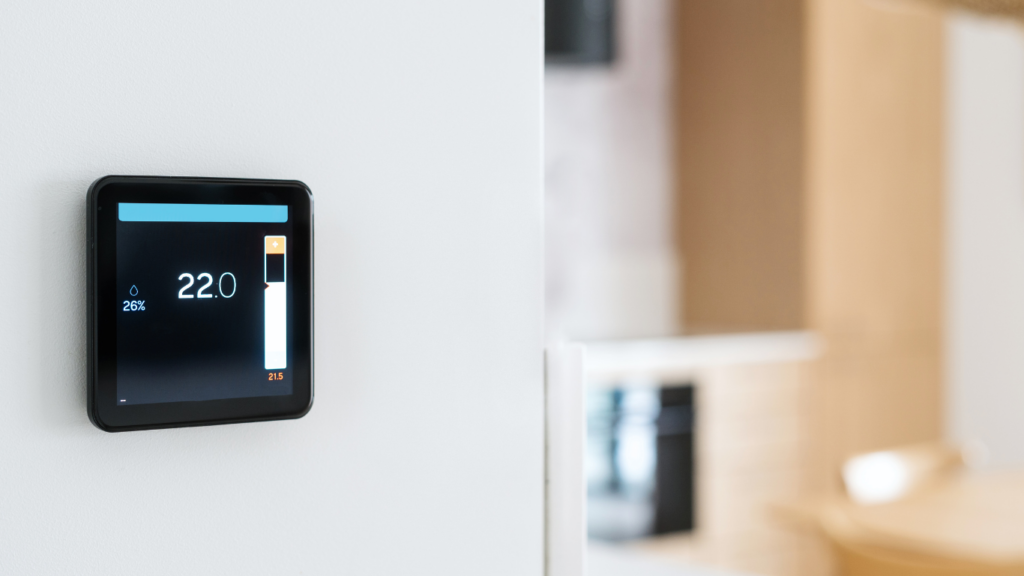
Heating and cooling gobble up a big chunk of your energy bill. Smart thermostats chip away at that cost without making you freeze or sweat it out. These devices learn your daily routines and adjust the temperature accordingly cooler when you leave, cozier when you’re about to get home. No daily reprogramming required.
Geofencing takes it a step further. If you’re out, your system knows. It dials things down while you’re gone and fires back up when you’re headed in. Less waste, more comfort.
And if you like data, you’re in luck. Most smart thermostats track your usage patterns, giving you a baseline so you can make smarter tweaks. See spikes, spot trends, and shave off costs. It’s small decisions, repeated, that make the difference.
Smarter Lighting, Smarter Bills
Lighting is one of the simplest places to start saving energy and smart bulbs make it almost automatic. Motion sensor lights handle the forgetfulness problem. Walk in, lights turn on. Leave the room, lights go off. When paired with schedule based settings, your home lighting runs itself, trimming waste without the hassle.
Dimming features and scene presets are more than aesthetic. Lower brightness where you can, and skip the full blast when it’s not needed. That routine slashes your energy use while keeping comfort intact.
Going a step further, syncing lighting with natural circadian rhythms helps not just on your power bill but with sleep and mental clarity too. Cooler lights in the morning, warmer tones at night. Lights fade out as bedtime slinks in. It’s efficient and healthier all automated.
Smart lighting isn’t about flash. It’s about control, balance, and cutting back without even noticing.
Plug Into Savings With Smart Plugs & Power Strips
Phantom energy that slow, steady trickle of power from devices left plugged in even when they’re off is one of the easiest types of waste to eliminate. Smart plugs help you kill standby power at the source. Plug appliances like TVs, toasters, and printers into a smart power strip and cut them off entirely when they’re not in use.
For gadgets that chew through energy think space heaters, coffee makers, charging stations set timers or routines so they’re only running when needed. No more forgetting the heater on all day or letting your espresso machine idle for hours.
Most smart plugs come with their own apps, letting you see what’s sucking power in real time. Some even break usage out per device, so you can catch sneaky energy hogs in the act. Use that insight to fine tune your habits, shrink your bill, and automate without losing control.
Smart Appliances That Do More With Less
Today’s appliances are a different breed. Washers, fridges, and ovens now come packed with sensors and machine learning that track how you use them and adapt accordingly. That means your fridge chills only when needed, your oven pre heats based on your cooking history, and your washer optimizes every load.
Smart dishwashers and laundry machines are also doing their part to keep bills down, using just the right amount of water and energy per cycle. These aren’t just eco friendly upgrades they’re wallet friendly too.
And the smartest part? You can get direct feedback. Most new models send regular energy reports straight to your phone, letting you spot usage trends, fine tune settings, and course correct before your next utility bill lands.
Connect It All With a Central Hub or Assistant
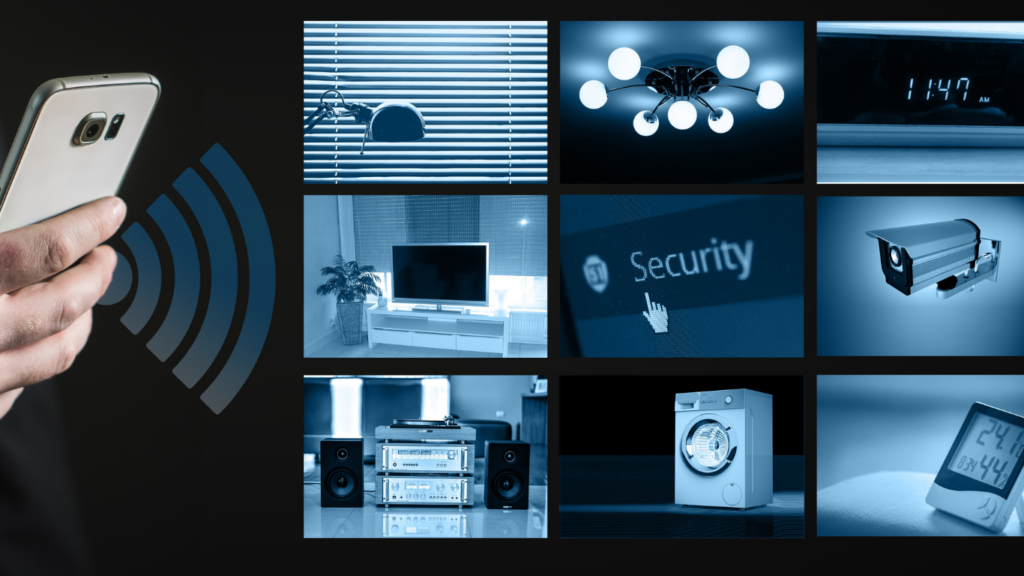
Smart homes work best when everything talks to each other. A central dashboard whether it’s an app on your phone or a voice assistant lets you see, control, and adjust all connected devices in one place. No more bouncing between apps or forgetting what’s on.
Voice commands take the friction out of daily habits. Saying “turn off all lights” or “set temperature to 68” is faster than fumbling with switches or remote controls. It’s not just convenient; it cuts down on wasted energy in real time.
The biggest win, though, is automation. Stacked routines like an “Away Mode” that powers down outlets, dims or switches off lights, and tweaks the thermostat mean your house starts saving energy without you lifting a finger. Set it once, let it run. That’s how small choices scale into serious efficiency.
Know the Numbers, Adjust Real Time
Energy use feels abstract until you see it ticking up in real dollars and watts. That’s where smart energy tracking apps come in they pull data from your devices and turn it into simple, actionable feedback.
With the right app connected to your smart plugs, appliances, or home hub, you can spot which gadgets spike your usage. Maybe it’s that old mini fridge in the garage or the always on game console in the living room. Either way, seeing the load in real time makes it easier to take action fast.
Some platforms let you compare your usage week over week or set savings goals, which helps build momentum. It’s not about perfection it’s about progress you can track without guesswork. Energy awareness starts with visibility, and once you know what’s costing you, trimming waste is way more straightforward.
Want to Take It Further?
If you’re ready to go beyond basics, full home energy optimization setups are where things get real. This isn’t just about tossing in a smart plug or two. It’s about syncing your entire home’s devices thermostats, lights, appliances, plugs into one streamlined, responsive system that saves money without making you think twice.
The pros? First, total control. With a central dashboard or assistant, you can direct how and when your home uses power. Automate settings based on time of day, weather conditions, or your location. Second, visibility. Real time usage reports help you see what’s helping and what’s hurting your bill. Third, ROI. With the right setup, your energy savings start to offset the gear investment faster than most people expect.
Real world examples? One household cut 23% from its electric bill just by integrating smart thermostats, lights, and appliance scheduling using a home assistant. Another used weather adaptive routines to ease HVAC strain during local heat waves. Smart tech isn’t just convenient it’s tactical.
Ready to go further? Dive into this practical guide for detailed strategies and real life wins.