Smarter, Smaller, Stronger: The State of Wearables Now
Wearable technology has come a long way from bulky fitness trackers and basic smartwatches. In 2024, the most compelling devices are blending into our lives with greater ease and utility than ever before.
Sleek, Powerful and Nearly Invisible
Modern wearables are designed to be unobtrusive, comfortable, and stylish. Thanks to advances in microprocessors, sensors, and materials, devices have become smaller but more capable, reducing the friction between user and technology.
Sleek form factors that blend into daily wear
High performance chips powering real time analytics
Improved battery life in thinner, lighter packages
From Fitness Tracking to Full Lifestyle Support
While many users once adopted wearables strictly for activity tracking, the focus has broadened to include all aspects of lifestyle. Whether managing your calendar, navigating a commute, or monitoring your sleep quality, smart wearables are acting as all in one solution hubs.
Devices now support full day use cases beyond workouts
Integrated functions include reminders, meditation, and nutrition tracking
Seamlessly supports goals across physical, mental, and emotional health
A Unified Digital Experience
The newest generation of wearables acts as an extension of your digital life not just a fitness add on. Health tracking, productivity tools, and connectivity features now coexist in a single ecosystem.
Syncs with calendars, to do lists, and personal assistants
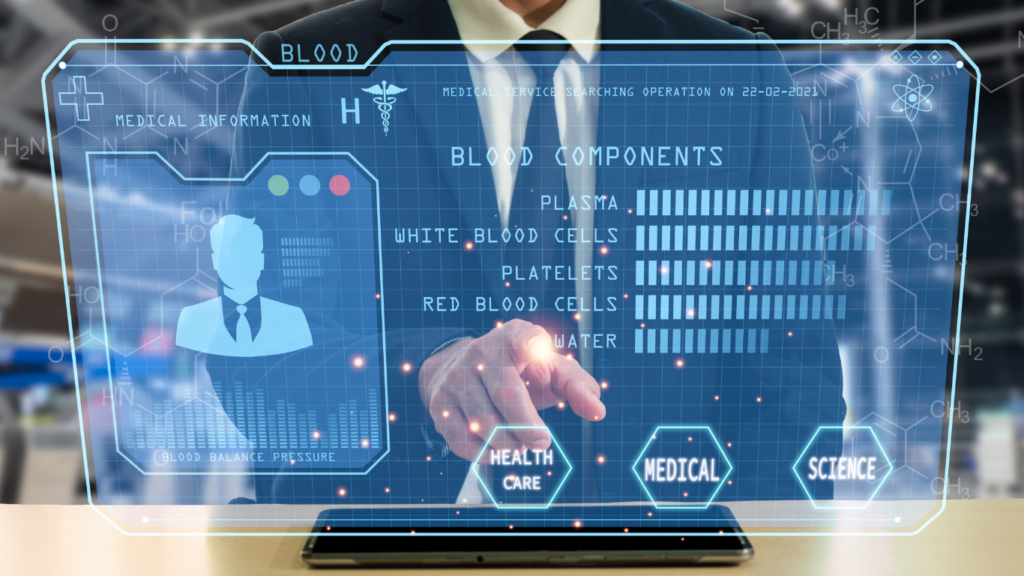
Medical grade sensors offer ongoing wellness data
Smooth integration with smartphones, tablets, and smart home devices
Wearables in 2024 are no longer niche tools; they’re becoming essential gear for anyone looking to streamline their health, work, and day to day routines.
Health Beyond the Basics
Wearables in 2024 aren’t just counting steps. They’re tapping deeper into real time body metrics that matter.
First, hydration. New sensors can now tell you on the fly if you’re dehydrated, not just suggest that maybe you should drink more water. These trackers monitor electrolyte shifts and sweat levels, giving you a clearer picture of your body’s needs, not guesswork.
Next up: non invasive blood glucose monitoring. This is a big one. No more pinpricks. Using optical sensors and spectrometry, devices are reading sugar levels through the skin. For people managing diabetes or just trying to avoid sugar crashes this is a major leap.
And finally, there’s stress. Wearables are learning to spot it early, not by mood tracking, but by monitoring subtle bio signals like skin temp, heart variability, and breathing patterns. Some even offer on the spot calming cues based on what they notice.
The theme here is simple: quicker, smarter, and more personal health insights. You don’t need to be a medical pro to know what your body is telling you anymore.
AI Is Changing the Game

AI isn’t replacing wearables it’s making them smarter. Personal coaching features are shifting from generic prompts to intelligent, contextual suggestions. That means your device might now tell you to stretch not just because it’s been an hour, but because your posture slumped and your heart rate ticked up.
Predictive health alerts are evolving fast. These systems track your unique baseline and flag anomalies early from changes in sleep patterns to subtle shifts in heart rate variability. It’s not about tracking steps anymore; it’s about knowing when something feels off before you do.
Then there’s the smarter scheduling. Devices are beginning to map your energy spikes and cognitive peaks. Your smartwatch could soon be the one telling you when to push through work or when to block off time for rest. Bottom line: wearables are learning how you live, and adapting in real time to support it.
Wearables That Don’t Feel Like Wearables
The newest generation of wearable tech is getting harder to spot and that’s the point. Bulky step counters are out. In are low profile rings that track your sleep, heart rate, and readiness just by sitting on your finger. Skin patches now measure hydration and vital signs without wires or bulk. Smart fabrics are being woven into everyday clothing, bringing biometric tracking and connectivity directly into what you already wear.
It’s all designed for discretion. Clean lines, subtle colors, and barely there builds make these devices blend into daily life while still pulling real data that matters. Brands are making function look good, too. Think fitness trackers wrapped in leather bands. Or biosensors tucked inside luxury activewear. Partnerships with fashion houses are turning health tech into something you actually want to wear not just because it works, but because it looks good doing it.
This shift isn’t just aesthetic. When tech feels invisible, it gets used more. And that’s where it starts changing behavior not just tracking it.
Enterprise and Work Use Is Growing Fast
Smart wearables aren’t just for tracking steps or sleep cycles anymore they’re heading straight into the workplace. Companies are plugging into gear that helps workers move faster, safer, and smarter. First up: smart glasses. These aren’t gimmicks they let field teams and factory workers see instructions, record footage, or collaborate in real time, all without taking their hands off the job. Less paper, fewer desks, more doing.
Wristbands are pulling weight, too. In physically demanding industries think logistics, construction, manufacturing fatigue isn’t just uncomfortable, it’s dangerous. Wearables that monitor strain, posture, or hydration are becoming quiet safety partners. They flag early signs of exhaustion before it turns into injury.
Then there’s the backbone of it all: enterprise ready platforms. Wearables are syncing into company systems, feeding live data across teams, from the warehouse floor to the boardroom. Whether that’s real time inventory counts, equipment diagnostics, or simple comms, it’s becoming less about dashboards and more about wearable visibility.
These devices aren’t replacing work they’re sharpening it. And fast adopters are gaining the edge.
Where It’s Going Next
Wearables are no longer just hugging your wrist they’re moving straight into your brain. Brain computer interfaces (BCIs) are already in prototype form and starting to prove they work. Early versions can detect your intent before you even move a muscle, letting you control devices with thought alone. It’s not science fiction anymore it’s groundwork for what’s coming.
But the wearables of tomorrow aren’t just about what’s inside your body. They’ll sync easily with your outer world smart homes, electric vehicles, even spatial computing setups. Imagine arriving home and your devices automatically adjusting lighting, climate, and audio based on how your brain feels or what your schedule demands. No clicks, no voice commands, just seamless context aware tech.
The catch? With great power comes great data. As our wearables learn more about us, the risk of privacy breaches grows. That’s why innovation in security isn’t optional it’s survival. Expect to see biometric encryption, edge processing, and stricter compliance frameworks become standard in next gen wearables.
Stay ahead of where this is going by checking out wearable tech trends.